Mar
There is a quiet revolution happening in Nigerian skincare, and azelaic acid is at the centre of it. While many people still rely on harsh bleaching creams, skincare experts are switching to a safer, clinically proven ingredient that brightens, treats acne, and calms inflammation — all at once.
Whether you’re a skincare formulator or someone tired of ineffective products, this guide explains everything you need to know about azelaic acid and where to buy high-quality cosmetic-grade options in Nigeria.
What Is Azelaic Acid?
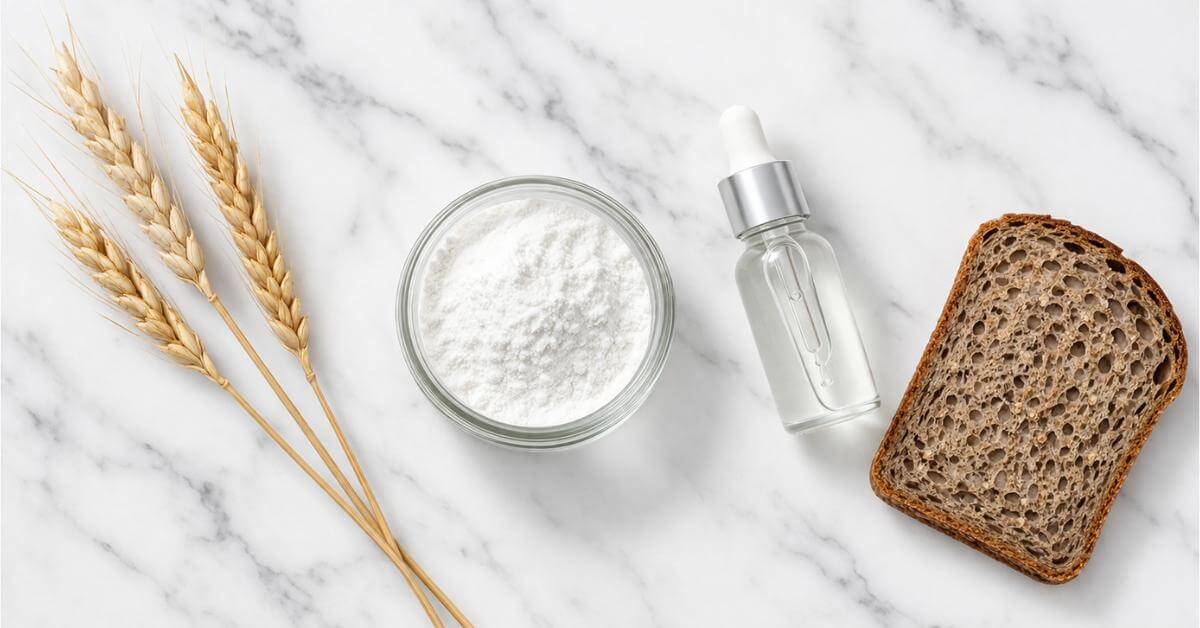
Azelaic acid is a naturally occurring dicarboxylic acid found in grains like wheat, barley, and rye. In cosmetics, it is produced through controlled fermentation to ensure purity and safety for skin use.
- INCI Name: Azelaic Acid
- Appearance: White to off-white powder
- Solubility: Partially soluble in water, better in warm solvents
What makes azelaic acid powerful is its triple action: it brightens skin, fights acne bacteria, and reduces inflammation — without bleaching the skin.
Why Azelaic Acid Is Perfect for Nigerian Skin
- Fades dark spots (PIH): Reduces melanin production without bleaching surrounding skin
- Treats melasma: Effective for hormonal pigmentation
- Controls acne: Targets acne-causing bacteria and reduces breakouts
- Calms redness: Ideal for sensitive or reactive skin
- Safe long-term: No risk of rebound darkening
- Pregnancy-safe: One of the few brightening actives safe for use
How to Formulate with Azelaic Acid
Recommended Usage
5–10% for cosmetic use, up to 20% for prescription formulations.
Solubility
Use warm water (60–70°C) and solvents like glycerin or propylene glycol for better dispersion.
Optimal pH
Works best between pH 4.0 – 5.5.
Best Product Types
- Creams and lotions
- Gels with co-solvents
- Spot treatments
- Night creams
Best Ingredient Combinations
- Niacinamide
- Tranexamic acid
- Salicylic acid
- Allantoin
- Panthenol (Vitamin B5)
Simple 10% Azelaic Acid Cream Formula (100g)
- Distilled water — 69g
- Azelaic acid — 10g
- Glycerin — 3g
- Propylene glycol — 5g
- Emulsifying wax — 5g
- Cetyl alcohol — 2g
- Sweet almond oil — 3g
- Allantoin — 0.5g
- Niacinamide — 2g
- Preservative — 0.5g
Process
- Heat water phase to 70°C
- Add azelaic acid and mix thoroughly
- Heat oil phase separately
- Combine both phases and mix
- Cool below 40°C and add preservative
- Adjust pH to 4.5–5.0
Azelaic Acid vs Hydroquinone
| Feature | Azelaic Acid | Hydroquinone |
|---|---|---|
| Safety | Safe for long-term use | Risk of ochronosis |
| Pregnancy Safe | Yes | No |
| Acne Treatment | Yes | No |
| Availability | OTC (up to 10%) | Restricted |
| Rebound Risk | None | High if misused |
Verdict: Azelaic acid is the safer and more versatile option.
Where to Buy Azelaic Acid in Nigeria
High-quality cosmetic-grade azelaic acid can be difficult to find locally. At OrganicsbyJumira, you can purchase verified, high-purity azelaic acid suitable for both formulation and personal use.
- Available sizes: 100g – 1kg
- Location: Lagos, Nigeria
- Nationwide delivery available
- Bulk purchase options
Explore more raw ingredients here: Raw Ingredients Collection
Frequently Asked Questions
Can azelaic acid remove dark spots?
Yes. With consistent use, it fades dark spots within 8–16 weeks.
Is it suitable for sensitive skin?
Yes. Start with 5% concentration and increase gradually.
Can I use it daily?
Yes, it is safe for daily use, morning and night.
Does it work on the body?
Yes, it is effective for knees, elbows, and underarms.
Final Thoughts
Azelaic acid is one of the most effective and safest skincare ingredients for Nigerian skin. It treats hyperpigmentation, acne, and uneven tone without the risks of harsh bleaching agents.
If you’re building a skincare routine or developing products, this ingredient deserves a place in your lineup.
Shop authentic azelaic acid today: organicsbyjumira.com
