Almond Butter
Price range: ₦4,700.00 through ₦16,000.00
Almond Butter (Prunus Amygdalus Dulcis Seed Butter) is a creamy, nutrient-rich semi-solid butter packed with oleic acid, linoleic acid, vitamins A and E, and antioxidants. It deeply moisturizes, soothes sensitive skin, improves elasticity, and helps fade stretch marks and scars. Richer and more emollient than Sweet Almond Oil. Perfect for whipped body butters, hand creams, hair butters, and stretch mark formulations. Comedogenic rating 2. Note: Contains tree nut derivatives — not suitable for those with nut allergies. Recommended usage rate: 5% – 100%. Add during heated oil phase.
There is something deeply satisfying about a body butter that melts the moment it touches your skin. No greasiness. No heavy residue. Just soft, nourished, deeply moisturized skin that feels genuinely cared for. Almond Butter is one of those rare ingredients that delivers exactly that experience. It is rich, creamy, and packed with skin-loving nutrients. Yet it absorbs beautifully without leaving your skin feeling suffocated. At Organicsbyjumira, we supply pure, premium-quality Almond Butter for professional formulators and natural skincare enthusiasts who refuse to compromise on what goes into their products. As a result, your body butters, hand creams, and moisturizers reach a level of luxury and performance your customers will genuinely feel.
What Is Almond Butter and How Is It Different from Almond Oil?
This is a question worth answering clearly. Almond Butter and Sweet Almond Oil both come from the same source — the kernel of the sweet almond (Prunus amygdalus dulcis). However, they are different in form and formulation behaviour. Sweet Almond Oil is a light, fluid liquid. It absorbs quickly and works well in serums and lightweight facial oils. Almond Butter, on the other hand, is a semi-solid butter. It is richer, creamier, and more emollient. As a result, it provides a deeper level of moisture and skin softening. Furthermore, its semi-solid texture makes it an outstanding base for body butters, balms, and thick moisturizing creams. Therefore, choose Almond Butter when your formulation needs genuine richness and lasting skin nourishment.
How Almond Butter Works on the Skin
Almond Butter works through its exceptional fatty acid profile. It is rich in oleic acid (Omega-9) and linoleic acid (Omega-6). Together, these fatty acids penetrate the upper layers of the skin. As a result, they deliver deep and long-lasting moisture that goes beyond surface hydration. Furthermore, oleic acid specifically helps strengthen the skin’s natural lipid barrier. This prevents transepidermal water loss (TEWL) and keeps the skin soft and supple throughout the day. Because Almond Butter also contains vitamins A and E, it simultaneously nourishes, protects, and supports healthy skin cell renewal. Therefore, skin treated regularly with Almond Butter does not just feel soft temporarily — it genuinely improves over time.
Skin Benefits of Almond Butter
Almond Butter delivers a generous range of proven skin benefits. First, it provides deep, long-lasting moisturization to dry, rough, and dehydrated skin. Second, its vitamin E content delivers powerful antioxidant protection against free radical damage and environmental ageing. Third, its natural vitamin A supports healthy skin cell turnover and a more even, radiant complexion. In addition, it soothes and calms irritated, inflamed, and sensitive skin conditions including eczema and dermatitis. Moreover, it improves skin elasticity and gives the skin a plumper, firmer appearance over time. Furthermore, it helps repair cracked heels, rough elbows, dry knees, and chapped lips effectively. Because of these combined benefits, Almond Butter is one of the most nourishing and skin-transforming natural butters available for cosmetic formulation.
Almond Butter for Stretch Marks, Scars & Uneven Skin Tone
One of the most searched skincare concerns online is stretch marks. Almond Butter has a genuine place in this conversation. Its rich emollient content keeps skin supple and elastic. As a result, it helps reduce the severity of stretch marks that form during pregnancy, weight changes, or growth spurts. Furthermore, its vitamin A content supports skin cell renewal. Therefore, with consistent use, it helps fade the appearance of scars and uneven pigmentation over time. Because of this, it is a popular ingredient in pregnancy body oils, scar-fading creams, and skin-tone-correcting body butters. For these applications, use Almond Butter at higher concentrations of 10% – 15% alongside complementary actives such as Rosehip Oil and Vitamin E Oil.
Almond Butter in Hair & Scalp Care
Almond Butter is not just for skin. It is also a powerful conditioning ingredient in haircare formulations. Its rich fatty acid content coats and smooths the hair shaft. As a result, it reduces frizz, adds shine, and improves overall hair manageability. Furthermore, it deeply nourishes and softens dry, coarse, and damaged hair. On the scalp, it soothes dryness and flakiness. Therefore, it works beautifully in whipped hair butters, deep conditioning treatments, edge control products, and scalp nourishing balms. Because of its semi-solid texture, it is particularly ideal for hair products that need to hold their shape without synthetic waxes or petrochemicals.
Recommended Usage Rate & Formulation Guidance
Use Almond Butter at a concentration of 5% – 100% depending on your formulation goal. Use it at 5% – 15% blended with other butters and carrier oils in body lotions, face creams, and lightweight body butters. Use it at 20% – 50% as a key base butter in richer body butters, hand creams, and intensive moisturizing products. Use it at 50% – 100% as the primary base in pure whipped body butters and hair butters. Because Almond Butter is oil-soluble, incorporate it into the heated oil phase of your formulation. It melts smoothly at approximately 30°C – 35°C. As a result, it blends easily with other oils, butters, and waxes. It pairs beautifully with Shea Butter, Mango Butter, Coconut Oil, and Sweet Almond Oil for rich and luxurious body care formulations.
Almond Butter vs Shea Butter — Which Should You Choose?
Both Almond Butter and Shea Butter are outstanding natural moisturizing butters. However, they each bring something different to a formulation. Shea Butter is thicker and richer. It provides excellent occlusive moisture for very dry and compromised skin. Almond Butter, on the other hand, has a lighter, creamier texture. It absorbs more readily. As a result, it suits formulations where a luxurious but non-heavy skin feel is desired. Furthermore, Almond Butter has a slightly more neutral aroma than unrefined Shea Butter. Therefore, it is easier to work with in fragranced formulations. Together, these two butters complement each other beautifully and are frequently used in combination for a balanced, skin-loving body butter formulation.
Best Ingredient Pairings for Almond Butter Formulations
Almond Butter pairs beautifully with a wide range of complementary ingredients. For luxurious whipped body butters, combine it with Shea Butter, Mango Butter, and Coconut Oil. As a result, you create a rich, whippable, and deeply nourishing body butter base. For stretch mark and scar formulations, pair it with Rosehip Oil, Vitamin E Oil, and Carrot Oil. Furthermore, for sensitive skin body creams, combine it with Oat Extract, Panthenol, and Chamomile Essential Oil. For hair butters and edge control products, pair it with Castor Oil, Beeswax Pellets, and Argan Oil. Together, these combinations create genuinely high-performing formulations that deliver visible results.
Important Allergy Notice
Almond Butter is derived from tree nuts. Therefore, individuals with a known tree nut or almond allergy must avoid products containing this ingredient. Always include a clear allergen declaration on product labels containing Almond Butter. Furthermore, always recommend patch testing before first use. Because nut allergies can be severe, this safety communication is non-negotiable for any brand using Almond Butter in finished products.
Formulation Applications
Almond Butter works beautifully across a wide range of product types. These include whipped body butters and lotions, hand creams and intensive foot creams, facial moisturizers for dry and mature skin, stretch mark and scar prevention creams, lip balms and lip treatments, hair butters and deep conditioning masks, scalp nourishing treatments, edge control products, baby skincare formulations, and healing balms and salves.
Texture, Appearance & Storage
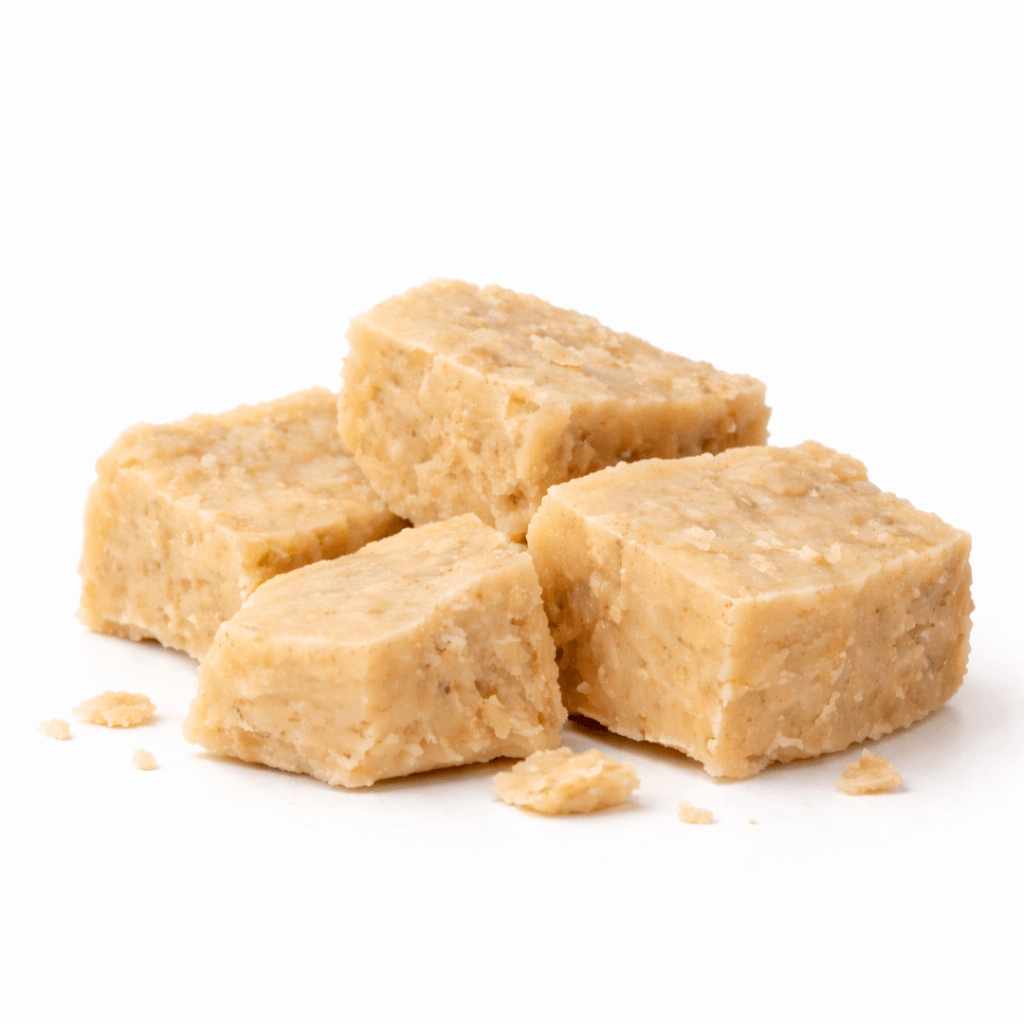
Almond Butter presents as a creamy, pale ivory to light yellow semi-solid butter with a mild, pleasant nutty aroma. It melts smoothly on skin contact. As a result, it applies and absorbs beautifully without a heavy or waxy residue. Store it in a cool, dry place away from direct sunlight and heat. Because it contains natural fatty acids, exposure to high temperatures and air can cause it to go rancid over time. Therefore, always keep the container tightly sealed between uses. Adding a small amount of Vitamin E Oil to your formulations extends the shelf life of Almond Butter-based products significantly.
Comedogenic Rating & Suitable Skin Types
Almond Butter has a comedogenic rating of 2. This means it carries a low to moderate risk of pore congestion in very acne-prone skin types. It is therefore most suitable for dry, sensitive, normal, combination, and mature skin in facial applications. For oily and acne-prone skin, use it at lower concentrations and in body care formulations rather than facial products. Furthermore, always recommend a patch test for new users regardless of skin type.
Frequently Asked Questions About Almond Butter
Is Almond Butter the same as Sweet Almond Oil? No. Sweet Almond Oil is a fluid liquid. Almond Butter is a semi-solid butter. They come from the same source but behave differently in formulations. Furthermore, Almond Butter provides richer and deeper emolliency than the oil form.
Can I use Almond Butter directly on my skin without formulating it? Yes. Almond Butter can be applied directly to the skin as a standalone moisturizer or treatment. It works particularly well on dry areas such as heels, elbows, and knees when used neat.
Is Almond Butter safe during pregnancy? Topically applied Almond Butter is generally considered safe during pregnancy. Furthermore, it is a popular ingredient in pregnancy stretch mark prevention formulations. However, always advise pregnant customers to consult their healthcare provider before use.
Does Almond Butter go rancid? Yes. Because it contains natural fatty acids, it has a limited shelf life. Therefore, always store it correctly and add Vitamin E Oil to your formulations to extend their shelf life.
Safety & Patch Test
Almond Butter is generally well-tolerated by most skin types. Nevertheless, individuals with tree nut allergies must avoid use. Always perform a patch test before full application. For external use only. Avoid contact with eyes. If irritation occurs, discontinue use immediately. Keep out of reach of children.
Product Details
INCI Name: Prunus Amygdalus Dulcis (Sweet Almond) Seed Butter
Appearance: Creamy pale ivory to light yellow semi-solid butter
Aroma: Mild, pleasant nutty scent
Solubility: Oil soluble
Melting Point: Approximately 30°C – 35°C
Comedogenic Rating: 2 (Low to moderate — patch test recommended for oily and acne-prone skin)
Recommended Usage Rate: 5% – 100% depending on formulation type
Addition Phase: Heated oil phase
Suitable Skin Types: Dry, sensitive, normal, combination, and mature skin. Use with caution on oily and acne-prone facial skin
Allergen Notice: Contains tree nut derivatives — not suitable for those with nut allergies
Key Pairings: Shea Butter, Mango Butter, Coconut Oil, Rosehip Oil, Vitamin E Oil, Carrot Oil, Castor Oil, Argan Oil, Sweet Almond Oil
Applications: Whipped body butters, hand creams, foot creams, facial moisturizers, stretch mark creams, lip balms, hair butters, edge control, baby care, and healing balms
Discover our complete collection of natural skincare ingredients and visit our skincare blog for DIY tutorials and formulation tips.
| Weight | N/A |
|---|---|
| Dimensions | N/A |
| size | 250g, 500g, 1kg |
Be the first to review “Almond Butter”
You must be logged in to post a review.
You may also like…
Carrier Oils
Clay Powders
Related products
Emulsifiers
Active Skincare Ingredients Nigeria
Active Skincare Ingredients Nigeria
Active Skincare Ingredients Nigeria
Carrier Oils
Emulsifiers
Carrier Oils
Butters & Extracts for Skin Nigeria
Reviews
There are no reviews yet.