

Panthenol (Vitamin B5) Nigeria – Hydrating & Barrier Repair Active
Panthenol vitamin B5 Nigeria is a powerful hydrating and soothing ingredient used in skincare and haircare formulations to improve moisture retention, strengthen the skin barrier, and enhance overall skin and hair health. As the stable form of Vitamin B5, Panthenol is easily absorbed and converted into pantothenic acid, helping to repair, hydrate, and protect the skin. At Organicsbyjumira, we supply high-quality cosmetic-grade Panthenol for professional and DIY formulations.
How Panthenol Works
Panthenol vitamin B5 Nigeria works as both a humectant and an emollient. It draws moisture into the skin to provide deep hydration while smoothing the skin surface and reducing water loss. It also supports skin regeneration, helping to repair damaged skin and improve barrier function.
Key Skin Benefits
- Deeply hydrates and plumps the skin
- Soothes irritation and redness
- Strengthens the skin barrier
- Improves skin softness and elasticity
- Supports skin repair and healing
Panthenol for Sensitive Skin
Panthenol is gentle and non-irritating, making it ideal for sensitive, acne-prone, and compromised skin. It helps calm inflammation and supports recovery from dryness, irritation, and environmental stress.
Hair & Scalp Benefits
Panthenol vitamin B5 Nigeria also improves hair health by enhancing moisture retention, reducing breakage, and increasing shine. It soothes the scalp, reduces dryness, and improves hair softness and manageability.
Best Ingredient Pairings
Panthenol works well with Hyaluronic Acid for enhanced hydration and with Niacinamide for improved barrier repair and skin clarity. It also pairs well with glycerin and ceramides for advanced moisturizing formulations.
Recommended Usage & Formulation Guidance
Use Panthenol at 1% – 5% depending on formulation type. Use lower concentrations for lightweight hydration and higher concentrations for soothing and repair treatments. Add to the water phase of your formulation and maintain a pH range of 4.5 – 6.0 for optimal stability.
Texture, Solubility & Appearance
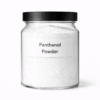
Panthenol is available as a fine white powder or clear liquid. It is water-soluble and integrates easily into serums, creams, shampoos, and conditioners.
Formulation Applications
Panthenol vitamin B5 Nigeria is ideal for facial serums, moisturizers, soothing creams, eye treatments, shampoos, conditioners, scalp treatments, and hair masks.
Product Details
- INCI Name: Panthenol
- Also Known As: Vitamin B5, D-Panthenol
- Appearance: White powder or clear liquid
- Solubility: Water soluble
- Recommended Usage: 1% – 5%
- pH Range: 4.5 – 6.0
- Comedogenic Rating: 0 (Non-pore-blocking)
- Suitable Skin Types: All skin types
- Applications: Hydration, soothing, and barrier repair
Frequently Asked Questions
What does panthenol do for the skin?
Panthenol hydrates, soothes, and strengthens the skin barrier while improving skin softness and elasticity.
Is panthenol good for dry skin?
Yes, panthenol is highly effective for dry and dehydrated skin as it attracts and retains moisture.
Safety and Precautions
Panthenol is generally safe and well tolerated. Perform a patch test before use. Avoid contact with eyes. For external use only.
Browse more active skincare ingredients in Nigeria to enhance your formulations.
| Weight | N/A |
|---|---|
| Dimensions | N/A |
| size | 50g, 100g, 250g |
Be the first to review “Panthenol- Vitamin b5”
You must be logged in to post a review.
You may also like…
Emulsifiers
Emulsifiers
Related products
Active Skincare Ingredients Nigeria
Active Skincare Ingredients Nigeria
Active Skincare Ingredients Nigeria
Active Skincare Ingredients Nigeria
Active Skincare Ingredients Nigeria
Active Skincare Ingredients Nigeria
Carrier Oils
Carrier Oils
Reviews
There are no reviews yet.